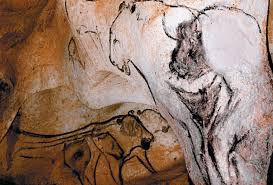
On Sunday 18 December 1994, Jean-Marie Chauvet and his two friends Éliette Brunel and Christian Hillaire accidentally discovered this cave. For a short period, the public could visit the cave. But it soon became evident that human intrusions were changing the atmosphere of the cave, so the French Government decided to close it for the public. The cave is 32,000 years old. Herzog gained a rare permit to bring his cameras into the Chauvet cave to document these special drawings from the Paleolithic era. Herzog was given one week time to complete his work. He could only work for 4 hours/day. Herzog used 3-D cameras to shoot the interiors of the cave. This cave contains paintings of Palaeolithic human beings. Palaeolithic humans used to live in the earliest chunk of the stone age. They used stones to make tools. Many years ago, the cave was sealed by a landslide. It helped to preserve everything perfectly. Herzog was not a fan of 3D, but he viewed it as necessary to capture paintings that made extensive use of the curves and contours of the cave’s walls. The cave contains pictures from Hynes to bison to Rhinos. They qualify as the oldest cave art ever discovered. Herzog asks a variety of scientists about the paintings in the cave. At times, he asks them absurd philosophical questions which provide a different perspective to us. The last 30 minutes of this documentary is pure bliss. Herzog reminds us these paintings represent the birth of the modern human soul. “

 debarshithecinemaniac