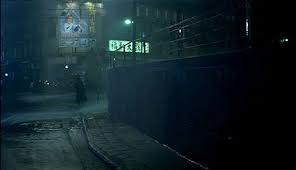
We talk about cinemagoing as a communal experience, where we tend to bond with others over the images in front of us. When groups of us gather in a hall, we may be seeing the same images, but we are never seeing the same film. Other ways of watching films-on a computer and even on a phone- have come to the fore, and, as a result, new ways of living with cinemas have emerged. They are no less important, but they are different psychologically. For their final show, the theatre has programmed King Hu’s 1966 martial-arts classic, Dragon Inn. Entering the auditorium, the young man notices a handful of other people. There are also several middle-aged men who seem far more interested in one another than in the film.Meanwhile, a crippled ticket taker is eating dinner in her small booth. She sets aside half of her food to take to the projectionist. The film becomes hypnotically addicting if you adjust urself to its languid pace. Tsai captures the simple pleasure of going into a cinema for a couple of hours, as well as the voyeurism that can accompany watching a film with a crowd of unknown people. Camera shows us desolate corridors and cluttered storage rooms, a lobby lined with brightly colored posters that might look garish if they weren’t so inviting. Everywhere Tsai takes us, the theater is thrumming with near-silent life.

 debarshithecinemaniac